2019年9月3日 星期二

清算警隊@2019.09

[請手動分享]

清算警隊,人人有責,結一結數先

6.12 金鐘
- 用橡膠子彈射盲中學教師
- 立會圍毆被捕少女期間拉起外衣肆意凌辱
- 開槍射擊患癌老伯
- 中信大廈外前後包圍放煙意圖焗死示威者
- 衝突後受傷到醫院求醫時比拘捕,令大量傷者不敢求醫

6.13 金鐘
- 迫死第一位烈士,在警署內歡呼

6.13 粉嶺
- 第二位烈士死後,意圖封鎖消息,用黑膠袋遮蔽遺言,對外稱因情困問題輕生

7.1  金鐘 佔領立法會
早上扑爆女義士頭,再屈佢自己受傷幫佢包紥 

7.6 屯門
過百警力保護非法賣淫大陸雞娜娜

7.7 旺角
- 警員香蕉糖公然挑釁市民隻揪
- 警員揚言:做野唔需要委任證
- 推撞記者、議員意圖封鎖消息,圍捕示威者濫用私刑
- 女警扮示威者打傷義士後走入警察防線離開,再將熱心市民拘捕

7.13 上水
- 示威人群散去後,非法進入商場濫捕,
迫到15歲小朋友跳橋自保,救回後再辱罵
- 襲擊民選議員

7.14 沙田
- 總督察鄭柏林對被捕人士施以酷刑,
拗斷手腕
- 在有不反對通知書的場地濫捕集會者
- 警員非法新城市廣場濫捕市民,拘捕時更插眼
旺角
- 重演暗角打鑊

7.21 上環
- 天橋上無警告下開槍意圖謀殺異見者
- 被發現開始用過期山埃催淚煙,意圖慢性毒殺市民

7.21 元朗
- 完美演譯警黑合作
- 警署門外求助落閘
- 999報案中心:驚就返屋企
- 公然向傳媒講大話:無見到白衣人有武器

7.27  元朗
- 射催淚煙入老人院
- 無視揸鐵通白衫鄉黑
- 西鐵站女速龍加料警棍毆打市民

7.28 上環
- 濫捕街坊、救護
- 44人被控暴動,拘捕後更以酷刑對待:停車埸等三十個鐘,唔比見律師
- 將燃燒緊嘅催淚彈掟向記者

7.31 葵芳
- 光頭警用雷明燈槍指向市民,扣下板機準備開槍射殺市民

8.1 火碳、天水圍
- 無故拘捕物資站
- 在無搜查令下入屋搜查,後指藏有攻擊性武器

8.3  旺角
- 失控速龍隊襲擊用膳後在餐廳外市民後逃去
黃大仙
- 向無任何裝備嘅街坊放催淚煙
- 警察宿舍內有住戶向路上街坊掟炮仗、玻璃樽落樓,其後再開記招屈係街坊掟

8.4 將軍澳
- 公園內無故襲擊散步街坊致頭破血流
西環
- 民居旁狂放催淚煙,多名街坊受害,包括嬰兒、百歲老人
觀塘
- 觀塘警署內在高處開槍射擊途人

8.5 天水圍
- 13歲小妹妹買書經過無故被捕
- 女義士聲援時被三名男警拘捕,期間全程走光示眾,與家人失聯30小時
北角
- 再上次演警黑合作
- 三個鐘無警察狀態任由福建幫攻擊香港人
荃灣
- 議員一早報案有黑幫將會斬示威者,但完全無視,引致義士手腳被斬
深水埗
- 開槍擊暈記者後阻礙救援,再用棍扑記者繼以帶走

8.6  浸大會長購買觀星筆時無故被休班警叉頸、恐嚇再拘捕

8.7 記者會上做所謂「實驗」意圖抹黑做假

8.10  大圍
- 射催淚煙入屋邨內
尖沙咀
- 無故拘捕女途人,期間騎係少女身上,極其猥褻侮辱
- 腳踢記者
- 警員自己仆街受傷後扮比燃燒彈燒傷,意圖抹黑

8.11  尖沙咀
- 射爆女救護義士左眼,
再推卸責任屈彈珠所傷
銅鑼灣
- 假扮前線示威者拘捕義士,記者追問時惡言相向
- 制服示威者後,用力施壓致甩牙迫令道歉
- 拘捕後放竹入袋,圖插贓嫁禍,男義士被捕時身體正常,其後被打致腦岀血昏迷
北角
- 福獨分子襲擊記者旁邊大量防暴視若無睹,無拘捕任何一人
太古
- 太古站內推示威人士落電梯,更近距離行刑式掃射
葵芳
- 葵芳站內放催淚煙
金鐘
- 20樓射催淚彈,意圖謀殺
新屋嶺
- 對被捕義士拖以酷刑、恐嚇,三十幾個骨折,阻止律師前往

8.13 機場
- 警員突然失控推倒少女,義士救人時更扙槍意圖謀殺
太和
- 屈街坊阻礙救援

8.14 深水埗
- 街坊燒街衣防暴突然推進,
向無人嘅街道狂放催淚煙,
引致大量街坊受害,
其後無數流浪貓狗死亡

8.17 旺角
- 鬧市中向天橋開槍

8.20 將軍澳
- 刻意放走刀手,從中國大陸回港先自首
- 爆岀北區醫院酷刑虐待老人家
青衣
- 疑水炮車漏顏色水,多車中招滿地藍

8.21 元朗
- 和平集會突然清埸棍打市民

8.24 九龍灣
- 拖行聾啞義士期間多次腳踢
- 再次開槍射眼
- 德福內放催淚煙及開槍惹居民不滿,
其後咒罵街坊乞衣、垃圾、社會敗類

8.25 荃灣
- 公然揸的士運武器比黑幫襲擊市民
- 義士遭黑幫襲擊,自衛時警察卻幫老黑一同攻擊義士
- 有傳道人舉起雙手跪地乞求警察克制卻被一腳踢開
大窩口
- 地鐵站外有居民想返屋企卻被推落樓梯後再拘捕

8.31 太子
- 聲稱接報到場處理市民打鬥,防暴及速龍衝入另一月台無差別攻擊市民,並封鎖現場不准救護員進場

如果你睇到呢到
多謝你  呢條路唔易行
但希望香港人一齊行落去

黑暗會過是晨曦

#濫權
#反人道
#恐怖襲擊
#去人化

 從我的 iPhone 傳送 

去完酒會先發覺

去完酒會先發覺,上流人士咁無知…

我不是社會賢達,但總有機會出席甚麼cocktail reception,就像林太所說「閉門」的「私人」的,沒外人也沒記者。會場10步之遙,幾個大孖沙、上市董事、政府高層、大專校長,當然仲有拉衫尾入場的private banker、律師等。一杯champagne在手,話題總離不開政治。

「They're well planned, organized and professional…」他們鍾意講英文,一句中,兩句英,是他們的一貫談吐。談到堵塞機場,破壞鐵路,形容示威者計劃周詳,組織細密,破壞秩序行為非常專業。

我心諗,「well planned就唔洗每次都俾人拉啦,organized就唔洗被困東涌4小時長征啦,professional就唔洗剩係俾警察打啦」。當然,以上說話我沒說出口。只暗地裡看著我的淺黃上司打個眼色,你可以說成,他們在見人講人話,但上流人士,不應如此沒性格,更不應將無知暴露枱面。

最醒果然是大孖沙,沒表態之餘,看似點頭同意,再加一句「complicated」,暗地裡想甚麼沒人知,他的底牌根本沒表露出來。繼續讓現場的人,對事件過份解讀,自然發酵。

有人甚至用「systematically destroy our living place」形容示威者一心想「攬炒」,點解?因為在場的人,是社會既得利益者,你們破壞的,導致消費疲弱,樓價下跌,股市低迷,他們最受影響。從錢途看,他們徹頭徹尾的pro-beijing,多年來親北京親政府的所得利益,一言難盡。不過可笑的是,字裡行間,他們對中央管治卻怕得很。「咁搞遲早玩完,上面全面接管,大家有好處嗎?」

顯然這些身穿Turnbull & Asser (130年歷史英國名牌)的人,頸帶Drake's (領呔名牌),不明白為何會有人自發抗爭,不相信背後沒推手掌控,因為這些超脫物質的價值觀,在他們生命中不曾存在,所以寧願相信,有人用錢控制人心,有外國勢力從中作梗,掩飾自己在人性光輝中缺少的認知。

年輕人本來無一物,美其名是將來的主人翁,但也要用「攬炒」來彰顯公義,用敵人籌碼做最大賭注。難聽點說句,經濟繁榮是香港的命脈,大財團利益先係香港的「春袋」。用別人的固有行益,鉗制上面更深層次促成「攬炒」的計謀。誰比誰聰明,高下立見。

無人知香港最後會變成點,但坐以待斃,下場一定會好慘。

*知己知彼

**恕我不能透露更多,亦沒有不小心流出的錄音

IG = kaminghk


 從我的 iPhone 傳送 

義載

分享其中一次義載故事:
(多字!勿插!)
去過三次義載,我無加入telegram群組,純粹隨機性响馬路接人。請容許我省略日期時間地點,因為我覺得以上都唔係故事重點,重點係我車上嘅幾位女義士。經一番交流同善意表達後三位女義士終放下擔心坐上我車,三個女仔滿頭大汗,我無直接吸過催淚煙,所以我對其氣味無概念,佢哋幾個應該係走得幾前,幾位上車後好快我就感覺極刺鼻,我諗係因為佢哋身上殘餘嘅催淚煙所致。
「我知你哋擔心緊d咩,我拆車cam,手機俾你揸住,但你幫我睇地圖,你哋就望實蘋果動、FB睇下邊條路有roadblock。俾埋身分證、住戶證、員工證你哋影,放心,我真係同路人嚟。」
跟住落黎所發生嘅事教我一生難忘...
講details少少先,我嗰部係細揭背車,坐滿人其實都幾迫,車頭乘客同司機相距半隻手臂,隔離做緊咩兩邊都睇得好清楚。
我預備咗濕紙巾、葡萄適、餅乾、尿袋、男女裝嘅衫褲襪,自從第一次出入義載,有個義士响公路中途反胃,停兩次車俾佢嘔咗先。所以打後就知道要放埋膠袋响車。我無問點解,但我估佢唔係因為食錯嘢嗰種嘔,係極度緊張後嘅反應。
「架車我裝曬四邊窗網,我落車等你哋換咗先。」但坐車頭嗰個秒回我:「唔好唔好唔好,好想返屋企,即刻開車走」我話👌,而家即走,放手制、油門都未掂實,三個女仔已經直接換衫。我有諗過應該點演繹呢個插曲,我擔心嘅係怕d廢藍扭曲故事,安插污名俾年青女抗爭者,我想表達嘅係佢哋三個當刻係幾咁恐懼黑警,恐懼到一個頂點。然後,大概用咗個半鐘就完成我嘅任務,路上無遇到半個黑警。途中大家無點講嘢,但我知道佢哋都勁攰,個頭鐘下鐘下咁訓。每個都有同我講多謝,多謝義載司機,感激所有義載司機。當去到最後一個女義士屋企附近,嗰個女義士臨落車時,同我咁樣講:「唔好意思,頭先我哋食餅整到地氈好多餅碎,麻煩要你幫我哋清乾淨。」當下我無為意,返到停車場想話拎地氈出嚟櫈下,見唔到一地餅碎,而係一地碎紙 ... 其實我長篇大論咁post出嚟,係想講响黑警口中所謂嘅曱甴、暴徒,係我呢世仔眼見過最美麗嘅嘢。

 從我的 iPhone 傳送 

2019年9月2日 星期一

9月1,同4位阿姐姐一齊被困的4個小時


OT 9月1,同4位阿姐姐一齊被困的4個小時

(原本無心打兩句, 但原來咁多人想知, 我又攰到PK, 打到亂七八糟. 所以執一執開個新POST, 有性趣可以由頭睇過)

特別鳴謝原POST被騎劫樓主 CHRISTY NGAI 幫手騎POST


1/9 當東涌完全塞死時,

4個清潔姐姐在東涌popo屋外拉我門,

但我本身其實鎖左門+暫停載客,

準備隨時接仔女放學。


我開窗同佢地講我唔做生意,

佢地求我做下好心幫下佢地,

因為佢地第一日入東涌開工,

點知收工時乜鳩車都無晒,又戰亂。


見佢地真係好無助,佢地話遠啲都無問題,

就比佢地上車,打算車佢地去老鼠/欣澳轉咩車都好,起碼無戰火。

點知上車後行左一個鐘頭都只係剛剛落到高速,

而談話間我得知佢地係做清潔嘅。


小插曲開始。

其中一個阿姐屋企人 voice msg: 

"唔好同黑衫人一齊行呀,睇住佢地打埋你呀"

我即時答咀: "我黑衫喎,你要唔要落車先?

佢即刻答話: "唔使!你咁好心肯救我地走,你係好人。"


另一個話: "頭先真係嚇死我呀,四圍都係黑衫人,仲攞住棍,幾驚佢地打我!"

我話: "點解你覺得佢地會打你?我話嘅,如果你過唔到馬路,佢地會拖你過,如果你唔識路,佢地會帶埋你行,如果你比人打,佢地會保護你,我話嘅"

4個傻笑唔識答。


當時塞到東涌東迴旋處

有班仔女在左邊步行緊落高速公路離開東涌。

我指一指佢地,問4位姐姐:

"你地好驚果班人呀,你睇下佢地咩年紀,你地諗下點解佢地暑假唔去沙灘玩,要四圍去比人拉比人打?"


"嘿,我地唔知咁多架"

我 "你地唔知唔緊要,我講你地知。首先一聽你地口音就知你地大陸落黎架啦?"


"係呀!廿幾年喇"

(註: 其實唔係4個都係清潔姐姐,3個係,1個係只係咁啱同行。為方便先講4個都係。而佢地共通點係,個個都廣東話唔正)

我 "廿幾年咁耐你都唔識珍惜香港?你記唔記得當初點解要落黎?"


"香港好丫嘛,大陸果時好差。"

我 "你都仲知香港同大陸唔同?咁點解你唔幫手守護香港?"


"我地唔理咁多架"

我 "到今時今日,你認為你可以唔理咩?你放工都受影響喇喎。或者咁問,你知唔知點解要示威?"


"真係唔知喎"

我 "就係由一條法例開始,呢條法例會直接令香港變成大陸無分別。如果呢條條例通過左,香港無一個人係安全。" 

我再指一指出面班仔女,

"你以為佢地爭取緊係為自己?其實係為埋你地啲後代。

好簡單一個例子,

如果條例通過左,

你地個孫得罪左某個大陸有背景同學,可能佢過兩日就會比人合法捉上大陸,仲可能捉埋佢父母。點解會咁?因為條例講明只要大陸有一張官方文件話你犯左大陸法,就有權捉你上去。而香港政府同法官都無權介入。"


"乜咁架咩?"

我 "就係咁樣,即係香港立即變成大陸,香港最寶貴就係法治,亦係同大陸最唔同嘅地方,大陸係人治。法治即係所有野要跟法律,有錢人打完人一樣有罪。人治就係講惡講勢力,你比有錢有勢嘅人打完,佢再話你有罪,你就係有罪。呢個就係法治同人治嘅分別。

大陸係咪咁丫?你地點解要走黎香港?"


"大陸以前係咁架!"

我 "唔係以前,而家都係。"


"而家大陸發達好多啦,好左好多啦!"

我 "邊度好過?你地唔知大陸每一個城市都蝕緊錢?用百億千億計喎。如果大陸咁好點解你地唔上番去生活?"


"唔得啦!田地屋都無晒啦"

我 "你當年落香港生根,你香港又有田地屋?你又生到根?"

我繼續 "你地當年乜都有,但都要走,其實你地避緊乜野你地當時好清楚。今日香港就係反抗緊,就係唔想變成咁樣。當年你仲有香港可以避,你啲子孫而家可以避去邊?"

(唔怪得之前九唔答八,原來打少左下面一段,太攰請原諒)

我再繼續 "班黑衫人其實就係保護緊我地,而我飯都未食,就開架車出黎,就係想盡一分力去保護番佢地."


然後靜左幾秒,突然有一個姐姐錯重點,

"我地都未食飯呀!一放工就亂晒!"

我 "我食上一餐係尋晚凌晨3點..(當時差不多7pm),本來我打算番黎食完飯先攞車,但一到東涌, 就有外面手足叫我快手,東涌開始危險,所以我飯都唔食就開工,但都已經塞死。

我話唔做生意,就係打算救佢地走,幫得一個得一個。但你知唔知點解我又肯救左你地先?"


"你好心地嘛!

我指指左邊 "唔係我好心地,係佢地好心地"

(已剛塞落高速,左邊有仔女行,行行下開始跑,因為有巴士肯開門比仔女上車,同時好多私家車都開窗幫手叫後面快啲上車)

我繼續 "如果頭先你地同佢地一齊拉我門,佢地都會讓比你地上,因為佢地都知你地無能力行4-5個鐘出欣澳,雖然佢地自己都未必有能力,明白未?所以其實係無黑衫人會揾棍扑你架"


而我後面個姐姐都自己講 "要行4個鐘咁遠架咩!"

我 "起碼啦,條公路其實好長架. 啲人成話佢地收左錢,我比錢你你行唔行?"

無人答


然後同一個姐姐再錯重點

"哇!陰公!3點到而家無食過野!?我有梳蕉喺度呀!師傅仔食條蕉先啦!"

我 "唔使啦,你地食啦,有排塞架。但都多謝先"


靜左一陣

然後坐車頭果個突然講

(基本上我係估佢講乜 多過聽佢講乜,因為佢已經唔係口音咁簡單,言談之間從後面姐姐得知,前面呢個係福建人)

"你地有幾多錢係度呀?我得百幾蚊喎!"

左後面姐姐(唔係清潔姐姐)答佢 "放心啦我有錢啦。"

福建姐姐 "而家跳到800幾蚊喎!"

我望一望個錶... "80幾蚊咋,放心啦,架車唔郁好抵坐架,貴極有限,係我大鑊架咋"

傾左咁耐佢地開始唔驚青,仲閒話家常,其中包括話啲鄉里成日叫佢地幫手買野番鄉下,但又唔比錢之類。


(小柒曲)

中間多次佢地家人都 voice msg 問佢地去到邊,

佢地都唔知自己喺邊,

每次都問我。

其中一次我都朦朦地口快快答

"過左愉景灣"

然後差不多一個鐘後,

我地先到愉景灣🤣


大概兩個半鐘頭後,

佢地都開始好肚餓

真係摷左梳蕉出黎食

我話唔要,

都夾硬塞左兩隻比我


本來我想提佢地要乾淨啲

因為平時我唔比客在車箱食野

同埋千其唔好掉垃圾出車

而我都未講,就聽到佢地已經問緊邊個有膠袋可以放蕉皮,

所以我無講。做清潔嘅可能比較有公德心。因為實在太多仆街會塞垃圾在門手把位。

PS. 啲蕉好撚香!


食完蕉佢地都開始累,

車頭福建姐姐已經瞓著左,

其他姐姐又自己傾偈。

而我隻右腳已經無晒耐力,

索性棟起佢,用左腳,反正淨係踩 brake就夠.


當時我已經知道欣澳已經係死城,

無mtr無巴士,

掉佢地去果度會嚇死佢地,

所以決定車佢地去荷李活酒店。


塞到去老鼠排坊前面迴旋處見到奇景,

兩線入迴旋處,

竟然係左線轉左,

右線轉右直接 u turn 

雖然塞到hihi ,亂到hihi

但亂中真係有序,

真心佩服。


去到荷李活,跳到344,

之前話佢夠錢果個非清潔姐姐比500,

我話收300算啦,

佢話唔好,

我話 "得啦!你地請左我食兩隻蕉!"

(雖然當時係未食,放了在車頭)


佢地多謝緊我嘅時候

我同個接待哥哥講

"佢地唔係入住架

不過幫幫手照顧佢地啦

佢地被困東涌,

我用左4個鐘頭先車到佢地出黎"

接待哥哥眼都突埋 "4個鐘!?"

我話 "係呀,幫下手,睇下佢地要唔要飲水去廁所,未有的士前比佢地入大堂休息先啦"


如果車上係仔女,唔係呢幾個姐姐,

其實我係唔會收錢。

而佢地其實多次問我可唔可以車到佢地番屋企,

我要再三解釋,

我隻顏色係唔可以載客出去,

佢地最後先明,唔係我唔肯出,

係我唔出得。


即係佢地其實比得起錢,

亦唔係我原意要救嘅人

所以我照收錢,不過收平少少

大家開心 

(而其實300蚊我都未夠車租, 但玩左我4個鐘)


其實4個鐘 有好多事發生,

但無可能盡錄。

所以基本上,完


#香港人加油
 從我的 iPhone 傳送 

2019年9月1日 星期日

義載


(轉載)
我自己係一個和理非,家庭負擔重,唔可以同年輕人係街頭並肩,唯有每次有抗爭後,都出車去到現場,希望送得一個得一個,盡能力令年輕人平安返到屋企。

出車咁多次,開頭都想接到有D人,感覺係付出咗,出車有D意義…但出多幾次,就最想係食白果,無人需要義載,大家都有辦法離開現場,個心就安樂了。

載咁多次,都有D小朋友傻瓜到話畀返油錢我,不過每次都畀我鬧:你好有錢呀,有錢就留返食飯,我有錢過你,你認承我,不受傷,不被捕,好好保重,知唔知。

有個年輕人就收返起D錢,好嘆息咁講一句:唉…係吖…抗爭真係會窮架…聽到佢地咁講,心都酸埋…
又有一個話畀錢,係佢地嘅心意,我都係叫佢地袋返,佢唔肯,又畀我鬧:咁有錢,捐畀星火同盟/612人道救援基金,佢地比我更需要錢,拉左成千人,班年輕人要錢打官司同治療。

又有一次,載住兩個frist aid,佢地落車嘅時候向我90度鞠躬多謝我,我眼淚忍唔住,心諗,要鞠躬嘅唔係你地,係我,係腐敗嘅政府,係林鄭月娥,逼你地走上街頭,你地好勇敢,係我要多謝你地…
出得去多,我幾歳大嘅小朋友都知道我去義載,每一次見我夜晚一個人話出去,都會話:爸爸,小心D呀…其中一次對話係咁嘅…
小朋友:爸爸,小心D呀。
我問:你又知我去邊?
小朋友:係呀,你去載D哥哥姐姐返屋企呀嘛…
我問:咁你都知?
小朋友:係吖,有次未瞓,聽到你同媽媽講話要去救人呀嘛,救得一個得一個嘛…

我話:係呀,你乖啦,早D瞓,聽媽咪話…
小朋友話:你記得小心D呀,小心D警察呀,佢地打人架…
我回佢:知道,我會小心架啦,早D瞓啦…

我轉身就出門口,眼淚都忍唔住直流,我個小朋友一句「小心D警察」係何等悲哀同荒謬嘅事…
亦都想講,香港人真係好團結,其實已經好多次係義載車多過年輕人,D人一知道邊度要車,我幾分鐘後駛到去,就已經泊咗十幾架車係度,心諗,你班人癲架,使唔使咁多車呀,最後,我相信好多人同我一樣,懷住感恩嘅心食白果返屋企…

其實抗爭運動早期,義載車唔係好多,到而家越來越多,民意真係好清晰表達畀政權知,政府已經越來越少人支持,市民都以不同方法去支援呢班年輕人,民憤民怨如此熾熱,政府將來根本無法施政,林鄭,你走吧啦…

最後,如果想保護呢班年輕人,唔好問點様做,每個人都唔同,可以做嘅都唔同,但基本係諗自己同眾多和理非每人行多一步,運動就多一份力,上唔到前線,咪出來和理非遊行,罷工,㩒錢擺屋企,唔去港鐵商場同藍絲商戶光顧,捐錢支持星火同明同612基金畀佢地打官司,警察搜捕落街吊走警察,同身邊人解說年輕人抗爭嘅原因,做下文宣,宣揚下政府同警察嘅暴行…你諗到乜就做乜…如果和理非運動夠團結,成功逼政府讓步,年輕人就少咗走上街頭嘅風險…

尋晚,北大嶼山公路呢張圖片真係好靚,香港人團結一致對抗暴政!

五大訴求,缺一不可!

香港人加油,萬事小心!


 從我的 iPhone 傳送 

網友經歷901

【網友親身經歷】

那天下午 到東涌購物 刺激經濟
買完野港鐵巴士停曬 唯有在碼頭等船走
突然有架巴士開出 人群一個跟一個
更有好客兄弟幫10幾個朋友付款

上層巴士的兩座位全變成三座位
坐著滿滿的陌生人 但有著滿滿的愛
此起彼落的打氣口號 伴隨著天真可愛的對話

: 太多人坐上層會唔會反呀
: 印度巴士都係咁啦 (笑)
: 但係架巴士係中國製造架喎 (爆笑)
: 坐地下 重心低d 冇咁易反呀

一開車 所有人拍手鼓掌 大叫 司機好波!

由6點半東涌上車 10點半仍未到青馬收費廣場

: 不如叫FoodPanda, 電單車應該好快到(笑)

: 大家有冇打邊爐相 救命呀
: 你肚餓都幫唔到你架張相
: 同左屋企人講打緊邊爐呀 (爆笑)
: Google搵啦 屋企人點會fact check呀 (笑)
: 我有呀 airdrop俾你
: 好呀 間野叫咩名呀? (又一輪爆笑)

: 轉彎啦 哩邊大家重心移過dd呀

小朋友真是純真得好可愛

...見到旁邊的士個錶已經$1800...(又一輪爆笑)

4個鐘過後 終於到達青衣收費廣場
好多好多好多好多好多家長接放學
一落巴士兩排家長列隊大叫有衫換有水有野食
好感動 身為廢中 第一次被接放學 

#香港人加油

 從我的 iPhone 傳送 

How Hong Kong Police Lost the City's Trust - The Atlantic

How Hong Kong Police Lost the City's Trust - The Atlantic

From Asia's Finest to Hong Kong's Most Hated

The city's police force was once widely respected for its restraint and trusted by the local population. No more.

Police clash with anti-extradition bill protesters.Tyrone Siu / Reuters

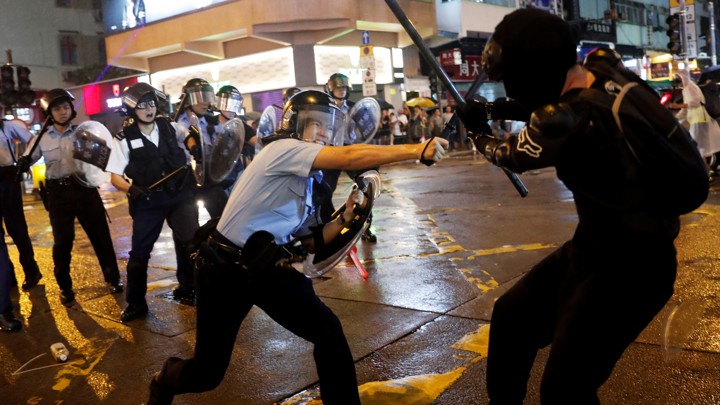
HONG KONG—Moments after a gasoline bomb arced over a police-station wall, officers began shooting rounds of rubber bullets at protesters here. One struck a young woman in the eye, leaving her with a bloody orb. Elsewhere, police stormed a subway station, blocked its exits, and launched tear gas inside as demonstrators fled onto trains. At another metro stop, officers in gas masks fired at close range toward the backs of young people, appearing to hit at least one.

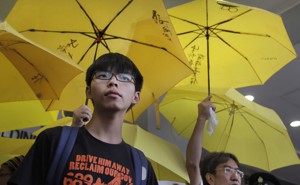
This was Hong Kong on just one day during this relentless and stunning summer of dissent. The latest salvo was a renewed attack on pro-democracy leaders, including Joshua Wong and Agnes Chow, both among several people arrested the day before violent weekend clashes entangled demonstrators and the authorities. The fight for democratic rights has become distracted by the actions of the government's most potent and toxic symbol of dysfunction: its police.

"Some of us are quite tired. I'm tired," Harry, a 20-year-old undergraduate, told me. Sitting on a subway platform after yet another standoff with police, he offered a wistful smile. "They keep arresting us. But they are the ones who are against the law."

It is hard to say who Hong Kongers despise more right now: their chief executive or their police force. The former, Carrie Lam, has spent months pushing for legislation that would allow the city to hand over criminal suspects to other jurisdictions, including to mainland China, where the legal system sways to the Communist Party's beat. Yet because Lam has denied the public any say in the bill's language, and hid when residents' anger blew, it is the police who serve as the government's voice, the front line of defense.

Hong Kongers go to the streets to vote. Residents have no right to choose their chief executive, and so blocking a road and amassing a crowd is the clearest way to register displeasure. Since record-breaking crowds began marching against the extradition bill in early June, Lam suspended the proposal yet did not withdraw it completely, and left it to the police to step into the void. Officers have handled crowds in ways both brutish and violent, with tactics that critics say have tipped toward vindictiveness. Riot officers have pummeled and dragged bystanders, and fired tear gas and projectiles on opposition lawmakers, first-aid workers, and journalists, at times turning residential neighborhoods into smoke-filled war zones. On some occasions, they were not merely defenders, but perpetrators, as well.

More Stories


The neighborhood of Yuen Long seemed quiet as Calvin So left the fusion restaurant where he worked shortly before 10 p.m. on July 21 and started his short walk home. Clustered nearby were a group of 20-odd men wearing white T-shirts. As So approached, he asked what was going on. "What are you saying?" one said, and in a flash, So felt a sting on his arm. Then again. He bolted, but the gang overtook him. The lashes from rattan sticks came with blazing ferocity, across his neck, his shoulders, his back, before the group left him and the young man could stagger to his feet and run to a shop to call the police.

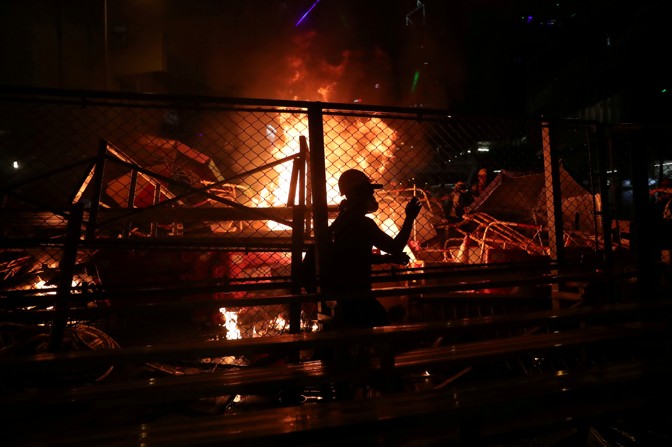
A demonstrator walks past a burning barricade during a protest in Hong Kong.
A demonstrator walks past a burning barricade during a protest in Hong Kong. (Danish Siddiqui / Reuters)

The group was part of a mob that converged on Yuen Long Station, one of the sparkling concourses in Hong Kong's large subway system, the MTR. About 100 men in white tees, clutching sticks and metal rods, jumped the turnstiles. One socked a female journalist as she filmed; another shoved a pregnant woman to the ground; several of them flogged passengers cowering on the stairs, and then they all converged on the train platform. On board was Lam Cheuk-ting, a legislator who, at nearly 6 foot 3, towers over most residents. In a split second, one man in white lunged for him, cracking Lam's hand and slicing his mouth, sending blood spurting.

In the concourse, Kaylee Lee, a nurse, begged the station's customer service to call police. The clerk insisted they had. Lee turned to find a middle-aged woman coated in blood. Lee piled tissues on the woman's scalp and guided her into the women's bathroom. A physician joined them and a triage center was born between the sinks and stalls.

It would take 39 minutes before a contingent of officers streamed into the station, a delay that officials blamed on pro-democracy protesters tangling with riot police elsewhere in the city. When the officers arrived, the men in white were gone, and 45 people were left battered and bloodied. Video captured by Hong Kong's public broadcaster, RTHK, showed officers standing next to six men in white T-shirts clutching sticks, yet they were not under arrest. (The city's corruption agency has opened an investigation into the police response that night.)

Read: Hong Kong shows the flaws in China's zero-sum worldview

Police charged no one in the Yuen Long attack until recently, and even now, just four men face criminal trials. Compare that with an all-night street clash with protesters a week later: After riot police fired round after round of tear gas, officers snatched fleeing protesters and bystanders seemingly at random. A bank teller, a nurse, an airline pilot—each was among 45 people charged with rioting.

Yuen Long gave protesters and residents the sense that the role of the police has shifted. Officers who once protected all citizens guard the government now. As Steve Tsang, the director of the China Institute at London's School of Oriental and African Studies, noted, it took a long while for the public to trust the Hong Kong police, and just a few moments for that respect to be incinerated.

"I think a lot of Hong Kong people won't believe in police anymore," Lee, the nurse who was present at the attack, told me. This, she said, was the consequence of the government's inaction.


Hong Kong has fought hard over many decades to establish one of the most honest governments in the world.

As with Frank Serpico and the New York City Police Department in the 1960s, Hong Kong's corruption was rooted in prewar poverty; its eradication was possible with postwar professionalism. Tasked with a new ordinance to investigate bribery, Hong Kong police targeted one of their chief superintendents, Peter Godber, once considered a talented officer who helped calm the city in the wake of riots in 1966 and 1967. He had also socked away hundreds of thousands of dollars in overseas bank accounts and fled to Britain. One of the first tasks of the newly created Independent Commission Against Corruption in 1974 was to extradite Godber. He was convicted of conspiracy and accepting bribes and sentenced to four years in prison.

Trust between people and the authorities began to build from that moment.

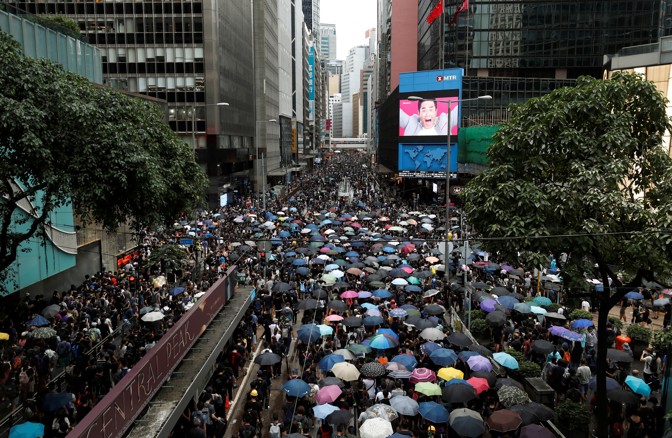
Protesters holding colorful opened umbrellas march down a Hong Kong street.
Protests, like this rally on Saturday, have long been part of Hong Kong's history. (Tyrone Siu / Reuters)

Given the regularity of protests here, local police became expert in crowd management. Rioting in the 1950s and 1960s convinced officials they needed to maintain order by acting with restraint, marginalizing agitators with propaganda, and seeking tips from the public. The police adopted a somewhat tolerant approach to crowds, according to the work of Lawrence Ho, a sociology professor at Education University of Hong Kong who focused his doctoral dissertation on riot policing. The idea was that restraint would encourage peaceful rallies. Surround and contain the protests, was the ethos, not suppress them.

The police then adapted and refined their strategies further. Anti-riot teams were ordered to keep heavy arms inconspicuous, to not provoke protesters, and to not take forceful actions against the crowd. They would deploy only if the situation spiraled out of their control. Tactical units were drilled in different degrees of escalation. Police approached protesters in soft hats and with bare hands as commanders talked with the crowd and tried to defuse tensions.

With that style, Hong Kong police became known for managing large demonstrations, such as rallies to decry the Tiananmen Square crackdown in 1989 and a 2003 march to oppose a bill defining treason and sedition. The territory's policing was so respected that Hong Kong officers trained British forces in crowd control.

Read: Hong Kong's protests have cemented its identity

The professionalism and respect the force won helps explain why, in 2014, many Hong Kongers were stunned and outraged when police shot 87 rounds of tear gas to drive pro-democracy protesters from a central artery called Harcourt Road. Police had violated a moral compact with their fellow citizens. The tens of thousands of people who had picketed exploded into hundreds of thousands, many who occupied the highway for 79 days, as they chanted for democratic rights but also decried "black cops."

The difference, Tsang, the professor, said, was that Hong Kong police now receive training from mainland Chinese agencies. During the 2014 Umbrella movement, participants and journalists witnessed troubling episodes. In a separate strike hub, thugs arrived and punched random protesters before the attackers were led away and freed by police. In a park one night in October, riot police hit protesters with batons as plainclothes officers pummeled and kicked the activist Ken Tsang, leaving his face unrecognizable. The seven officers were convicted of his assault, but incredibly, Tsang, too, was found guilty of assaulting police and resisting arrest, and served a brief prison term.

By the time young people gathered on a road in Mong Kok in February 2016 to usher in the Lunar New Year, officers seemed to have shelved the notion of crowd management. Riot police used their long shields to push the crowd as a commander engaged in a loudspeaker shouting match with Ray Wong, the founder of a political party that promoted Hong Kong's independence from China. The night descended into a brawl as participants hurled bricks, trashed vehicles, and set fires.


The incident in Yuen Long last month exposed how much trust has frayed here. What might be brushed off as unfortunate or incompetent elsewhere is viewed in Hong Kong these days to be cruelly indifferent and perhaps corrupt. The attack immediately raised suspicions that law enforcement was protecting village residents and organized crime syndicates, known as triads, two groups that are deeply loyal to the government. The police have not helped themselves, either by issuing ludicrous statements in their officers' defense.

The police's actions are intimately tied with the political crisis. Many civil and professional groups have denounced the extradition bill, fearful that China could fabricate or dredge up past misdeeds to ensnare most anyone. Still, when protesters encircled Hong Kong's legislative assembly on June 12, many expected tear gas, not that canisters would be fired at journalists or whizz near a lawmaker who demanded that police stop. Picketers did not anticipate being chased from a rally while choking on chemical clouds. Participants did not imagine that rubber bullets would be fired, ripping holes near eyes and inside mouths, nor were they prepared for police who pummeled participants with batons. Days later, Lam suspended the bill, yet 2 million people still marched, this time not just against the legislation, but also against the police and Lam's continued tenure.

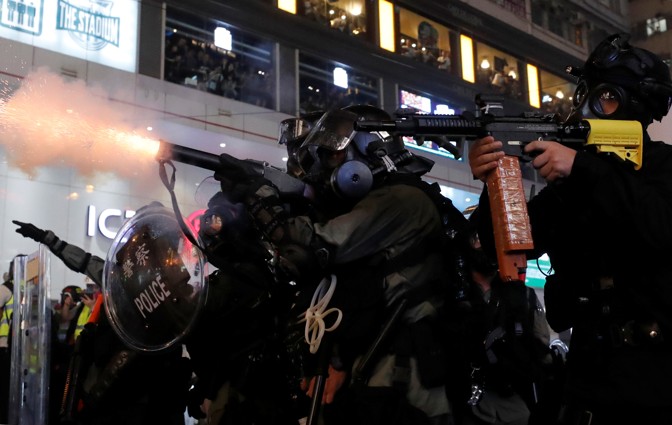
Police officers fire tear gas at a demonstration in Hong Kong.
Police officers fire tear gas at a demonstration in Hong Kong. (Tyrone Siu / Reuters)

It's rare now to see officers in their regular blue uniforms. They are dressed for a riot hours before young people converge on the streets. Police flags, alerting people that force will be used, were once raised repeatedly and for lengthy stretches, yet today it's possible to never hear a warning or see a flag before tear-gas shells sail overhead. Tear gas itself is no longer a dispersal tool, but a weapon. The United Nations human-rights office has accused the Hong Kong police of defying international standards and creating "a considerable risk of death or serious injury"; the agency joined international calls for Hong Kong to set up an independent investigation into the anti-government protests.

Read: Angering China can now get you fired

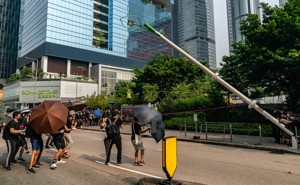
In recent months, Hong Kong has changed in ways great and small. In five years of living here, I never saw much graffiti and certainly no one jump a turnstile before the white shirts did. Each weekend now, protesters cover government buildings and highway areas with their slogan, "Revolution in our time," as young people routinely leap over the station gates. Protests were once uniformly peaceful; now Molotov cocktails and bonfires are part of the arsenal. As I covered one night of protests on August 11, a young man near me, aware that police were attacking protesters inside MTR stations, looked up at one of the ubiquitous CCTV cameras filming the platform, lifted his hiking pole, and smashed the lens. Dozens of people on the platform applauded.

Rage is routine, too. It was the motivator that spurred young people to hurl Molotovs at police yesterday, as officers launched a fuselage of tear gas and blue dyed liquid streaming from a water cannon. Rage was the drug that spurred other protesters to torch barricades as rubber bullets flew toward them along a busy shopping strip.

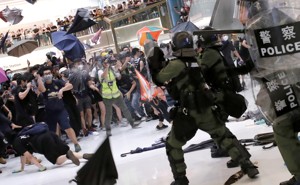
Fury, however, entangles those far from the front line, as well. Yesterday, police pointing thin batons stormed into a subway station in the city's Kowloon district. The few people waiting on the largely deserted platform froze as officers sprinted past and tackled a few people. One reporter caught an officer digging his baton into someone prone on the floor.

The police lined up by a train car halted in the station. From this point on, Pakkin Leung, a democracy activist, records the work not of an enforcement agency, but an enemy combatant. The doors open and officers point their batons and yell. A deafening siren blares. Officers move down the car, whipping people covering their heads and crouching beneath opened umbrellas that provide little safety.

Outside the car, an officer levels a long pepper spray gun at people inside. Leung's camera catches the spurt as the stinging liquid streams inside. Four people huddle on the floor, eyes clamped shut, clutching one another. One man rocks with the woman he holds, and howls over and over. The foursome are not dressed in the black of protesters. They look to be friends, perhaps out for dinner on a Saturday night, caught in the twisted politics of a broken city.

The savage pointlessness of the event comes seconds later. As Leung's video ends, the officers walk away from the riders, who are left screaming at full pitch.

We want to hear what you think about this article. Submit a letter to the editor or write to letters@theatlantic.com.


 從我的 iPhone 傳送